Understanding Manufacturer Versus Workmanship Roofing Warranties
When you invest in a new roof for your home, you expect it to protect your family and your property for decades to come. However, one of the most confusing aspects of the process for many homeowners is deciphering the fine print of the guarantees provided. If you are comparing different roofing companies and analyzing roofing quotes, it is critical to understand the difference between manufacturer and workmanship roofing warranty coverage. Without this knowledge, you might find yourself on the hook for an unexpected roofing repair down the road.
Here in Farmington and the surrounding Mid-Mo region, our homes face everything from blistering summer heat to severe straight-line winds and hail. Navigating the aftermath of a severe storm can be stressful, especially when trying to figure out if your insurance will cover the damage or if your warranty will step in. Many out-of-state storm chasers offer what sounds like affordable roofing, but they often leave town before you realize their guarantees are virtually worthless. In this guide, we will break down exactly how these warranties work, what they cover, and how to protect your investment.
The Difference Between Manufacturer and Workmanship Roofing Warranty
To put it simply, your roof's protection is split into two distinct categories: the materials themselves and the labor used to install them.
A manufacturer warranty protects you against defects in the physical roofing materials. Whether you are weighing the pros and cons of metal vs asphalt shingles, the company that produces those materials guarantees that they will not fail prematurely due to factory defects. For example, if your asphalt shingles begin to severely curl or lose their protective granules after just a few years under normal conditions, the manufacturer warranty typically steps in to cover the cost of replacing those defective materials.
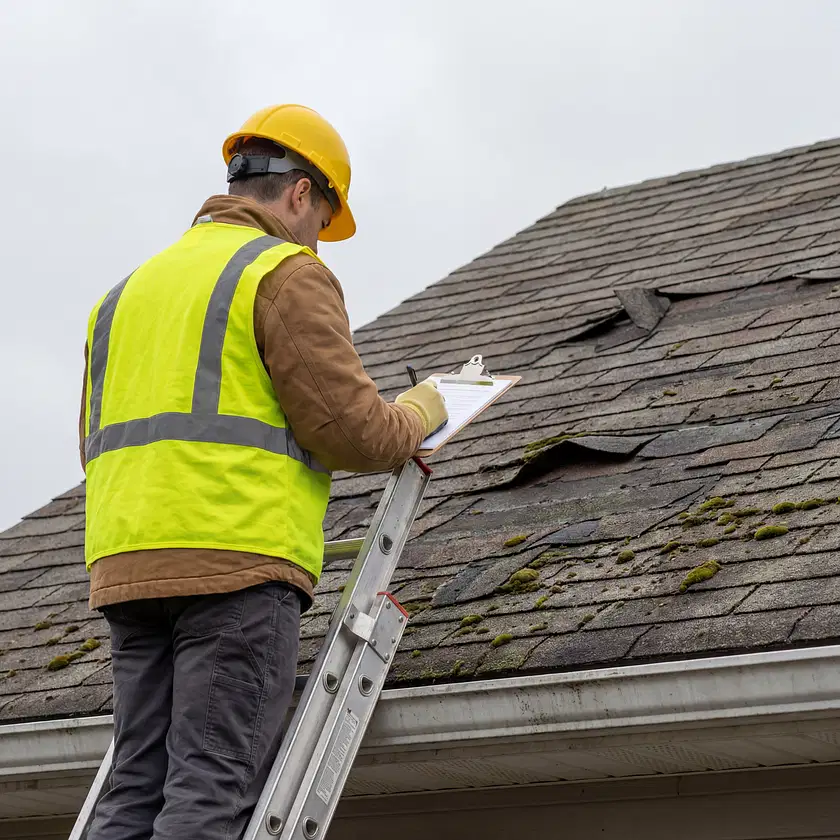
On the other hand, what does a roofing workmanship warranty cover? This guarantee is provided directly by the local roofing contractor who performs your roof installation. It protects you against installation errors. Even the highest-quality materials in the world will fail if they are not installed correctly. A workmanship warranty ensures that if a leak develops because a flashing was improperly sealed or a shingle was nailed at the wrong angle, the contractor will return to fix the issue at no cost to you.
At Reliable Exteriors, we take our workmanship seriously. Our repair and installation process is completely transparent. We provide an exact timeframe for our visits, confirm our arrival time the morning of the project, and rigorously document our work with before-and-after photos so you have total peace of mind.
Common Mistakes That Void Roof Warranties
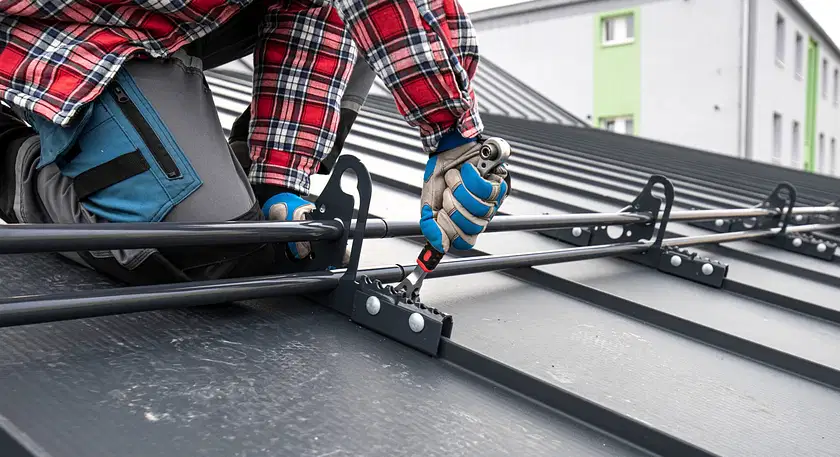
Having a warranty is great, but keeping it valid is another story altogether. Homeowners frequently make innocent errors that completely void their protections. One of the most common mistakes that void roof warranties is hiring unqualified handymen for emergency roofing fixes rather than licensed professionals. If an uncertified worker attempts a repair and uses improper techniques or mixes incompatible materials, the manufacturer will likely void the warranty on your entire roof.
Another major issue is inadequate attic ventilation. If your attic cannot breathe properly, excessive heat and moisture build up, literally baking your shingles from the inside out. Manufacturers require strict ventilation standards, and failing to meet them during installation will instantly nullify your coverage. This is why relying on a trusted contractor for a thorough roof inspection is so crucial before any work begins.
Finally, neglecting routine maintenance can jeopardize your coverage. Allowing debris to accumulate in valleys or ignoring minor storm damage gives insurers and manufacturers a reason to deny your claims, citing homeowner negligence.
Navigating Storm Damage and Insurance
When a storm rolls through the Ozarks, it often leaves a trail of confusion in its wake. Homeowners frequently ask us how to tell if roof needs replacing or if it just requires a standard hail damage roof repair.
Dealing with insurance companies can be a headache, especially with delayed payouts and confusing terminology. We act as an advocate for our customers throughout the entire insurance claims process. Using modern technology like drone inspections, we capture meticulous evidence of the damage. We help you understand the difference between actual cash value (ACV) and replacement cost value (RCV), review the insurance adjuster's estimate to ensure no necessary code upgrades were missed, and submit supplements on your behalf. We believe in taking the stress out of the process, ensuring you aren't left paying out of pocket for damage that should be covered.
Making the Smart Long-Term Investment
When calculating overall roofing cost, it is always best to look at the long-term value rather than just the initial price tag. Upgrading your materials can profoundly impact both the lifespan of your roof and the strength of your warranties.
For example, we highly recommend considering standing seam metal roofing. While the initial investment is higher, metal roofs offer a 40 to 50-plus year lifespan and handle our unpredictable Missouri weather with ease. They reflect heat, lowering your summer cooling costs, and they don't suffer from the curling or granule loss that plagues older asphalt shingles.
True to the Show-Me state spirit, Reliable Exteriors believes in proving our value through honest work, clear communication, and ironclad warranties. We want you to feel completely confident in your home's protection. If you are experiencing leaks, concerned about recent storm damage, or simply want to know the true condition of your roof, our team is ready to help.
Contact Reliable Exteriors today to schedule your comprehensive evaluation, and let us provide you with the superior workmanship and reliable warranties your home deserves.