
Identifying Hail Damage on TPO Roofing: A Guide for Commercial Property Owners
If you own or manage a commercial property in Missouri, you are likely no stranger to our unpredictable weather. From severe thunderstorms to sudden hailstorms, the elements can take a serious toll on your building's exterior. Many property owners have opted for Thermoplastic Polyolefin (TPO) for their flat or low-slope roofs due to its exceptional energy efficiency and durability. However, despite its ruggedness, a severe storm rolling through the Farmington area can still compromise even the most well-installed membrane.
When hail strikes, the impact on a flat commercial roof isn't always immediately obvious from the ground. Unlike traditional asphalt shingles that might visibly shed granules or break off into the yard, TPO damage often remains hidden until a significant leak disrupts your operations. Left unaddressed, these unseen vulnerabilities can lead to saturated insulation, structural rot, and expensive interior damage.
Knowing how to properly assess the aftermath of a storm is critical to protecting your investment. In this guide, we will walk you through the key signs of impact, the importance of thorough documentation, and how modern technology is making it easier than ever to spot issues before they become catastrophic failures.
Recognizing the Subtle Signs of TPO Membrane Damage
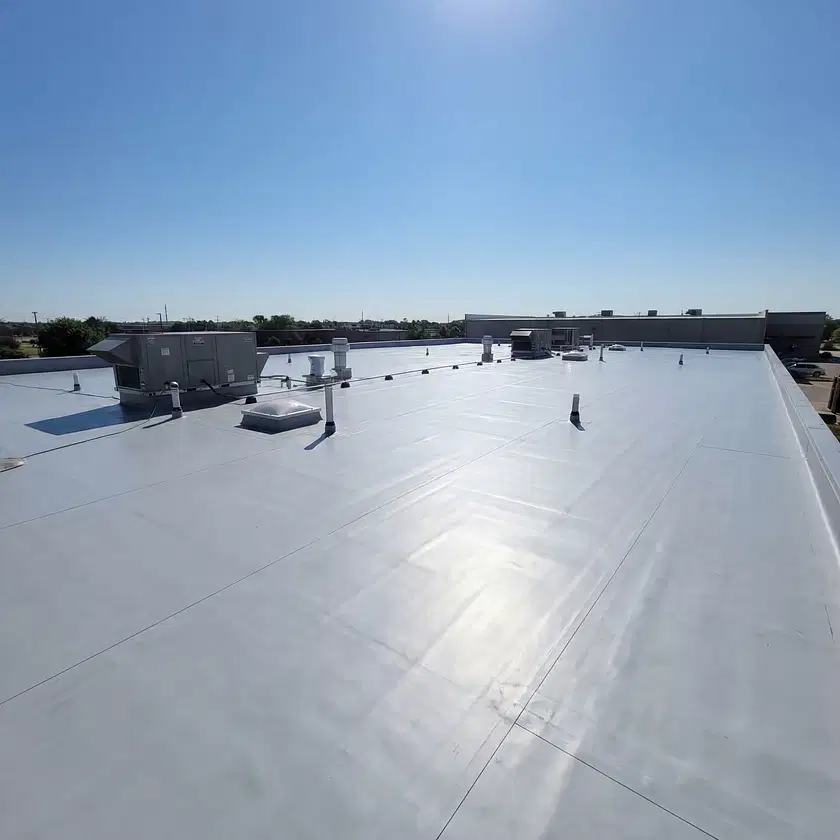
Unlike an obvious tear or missing panel, hail damage on a single-ply membrane can be incredibly subtle. When inspecting TPO roof membrane for hail damage, professionals look for specific patterns of wear that indicate the material's integrity has been breached.
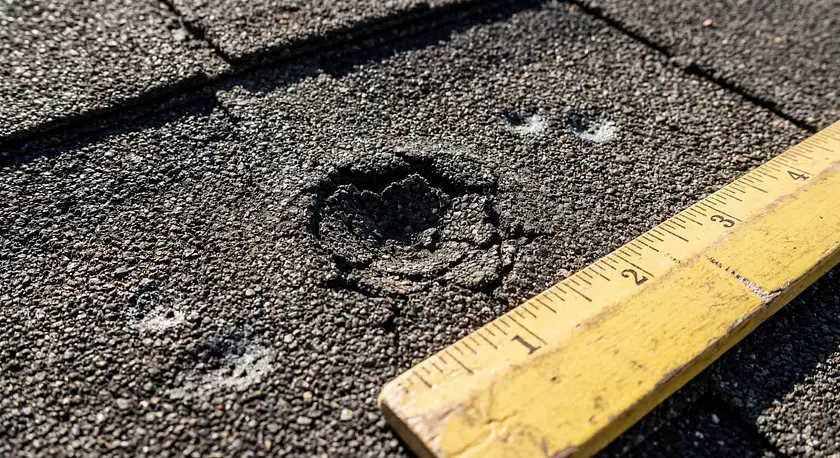
The most common indicator is the appearance of small, circular fractures or indentations scattered across the surface. While a direct puncture is easy to spot—creating a clear path for water intrusion—hail often causes "bruising." This happens when the hailstone hits the membrane with enough force to crush the rigid insulation underneath without completely tearing the top layer of the TPO. Over time, the unsupported membrane above the crushed insulation can flex, weaken, and eventually split open under daily thermal expansion and contraction.
Another subtle sign is a shattered scrim. The scrim is the internal reinforcing fabric layer within the TPO membrane. Large hailstones can fracture this internal mesh while leaving the top surface seemingly intact. When the scrim breaks, the roof loses its dimensional stability, leading to wrinkles, pulling at the seams, and eventual failure.
Because these signs are incredibly difficult to spot with the untrained eye, many property owners mistakenly believe their roof survived a storm unscathed. It usually takes a trained professional walking the surface—or utilizing modern aerial technology—to identify the true extent of the impact.
The Importance of Rapid Inspection and Insurance Liaison
One of the biggest pain points for commercial property owners after a storm is dealing with the financial strain of delayed payouts from insurance companies. Navigating commercial roof hail impact repair claims can be incredibly complex. Insurance adjusters are looking for indisputable proof of recent damage, and without it, claims can be easily denied or underfunded.
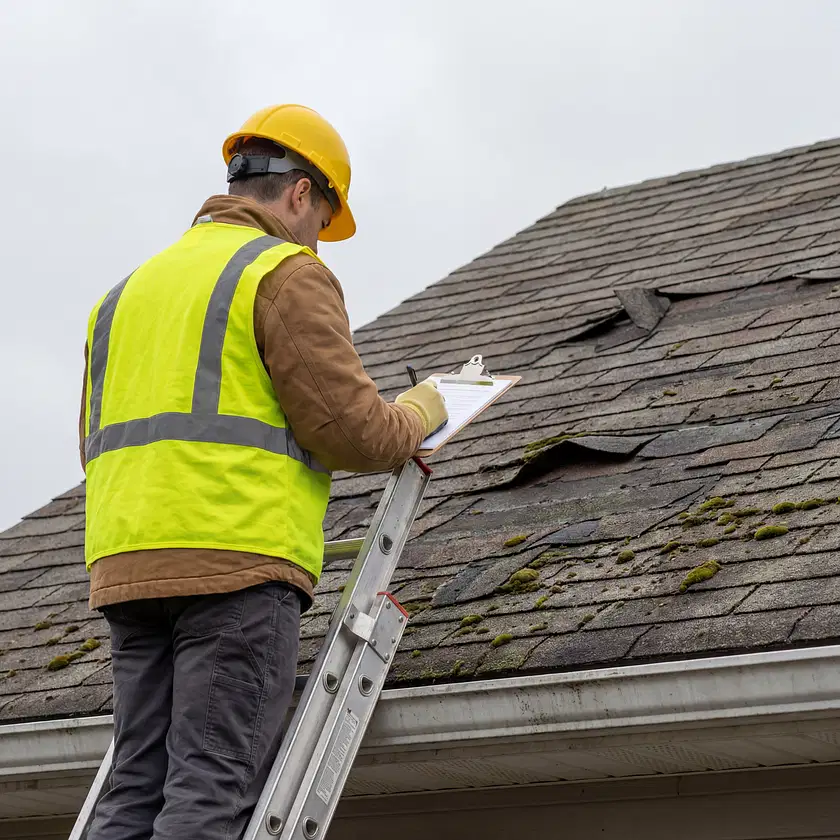
This is where a proactive approach makes all the difference. At Reliable Exteriors, we understand that time is of the essence. We utilize advanced drone technology for our roof inspection process. Drones allow us to safely, quickly, and comprehensively document every square inch of your roof. This high-resolution aerial data provides the exact documentation insurance carriers require to approve your claim.
We act as a direct liaison between you and your insurance company. Our team will meet with the insurance adjuster on your roof to ensure no damaged area is overlooked. We meticulously review the insurance company's estimate, identifying any missed items, scope changes, or local building code upgrades that are required by law but might have been omitted from the initial payout. We take pride in our true "Show-Me" state approach—providing absolute transparency regarding your policy's deductibles, recoverable depreciation, and out-of-pocket costs, so you are never caught off guard.
Repairing the Damage: Professional Solutions
Once the damage is accurately documented and your claim is underway, the next step is executing the right fix. Repairing hail punctures in TPO roofing requires specific expertise and specialized equipment.
For localized damage, hot-air welding is typically the most effective method. A professional crew will clean the compromised area thoroughly, cut a specialized TPO patch, and use a robotic or hand-held hot-air welder to seamlessly fuse the patch to the existing membrane. This process essentially melts the two layers of plastic together, creating a permanent, watertight bond that is just as strong as the original material.
In cases where the hail was exceptionally large or the storm was severe, a simple patch may not be enough. If the underlying insulation is heavily compromised across large sections, or if the roof was already nearing the end of its lifespan, a partial or complete roof damage repair or replacement might be necessary. Applying a commercial roof coating can sometimes extend the life of a slightly worn roof, but it is rarely a substitute for repairing compromised structural integrity.
Whether your property requires targeted patching or comprehensive TPO roofing replacement, working with an established local team ensures the job meets strict manufacturer specifications and local building codes. Storm chasers often flood into the Mid-Mo area after severe weather, promising quick fixes, but they rarely stick around to honor the warranties. Choosing a reputable, long-standing local contractor means you have a partner who will stand behind their work long after the skies have cleared.
Protect Your Commercial Investment
Don't let hidden hail damage quietly compromise your commercial facility and disrupt your business operations. What looks like a minor scuff today can turn into a massive internal leak during the next heavy rain. By acting quickly, utilizing modern inspection technology, and partnering with an advocate who understands the intricacies of insurance claims, you can protect your property and your cash flow.
If a recent storm has passed through Cape Girardeau or the surrounding regions, don't wait for water to start dripping from your ceiling. Reach out to Reliable Exteriors for a comprehensive assessment. Our experienced team is ready to provide the thorough roof repair and maintenance solutions your business needs to stay secure year-round. Contact us today to schedule your drone-assisted roof inspection and gain true peace of mind.