How to Prevent Standing Water on Low Slope Commercial Roofs
If you own or manage a commercial property in Cape Girardeau, you know how unpredictable our weather can be. Between sudden spring thunderstorms and heavy winter snowmelt, your building takes a beating. One of the most common issues we see on commercial roofing systems is standing, or "ponding," water. Left unchecked, water that doesn't drain off a low slope roof within 48 hours can lead to catastrophic leaks, structural stress, and premature roof failure.
What Causes Standing Water on Flat Roofs?
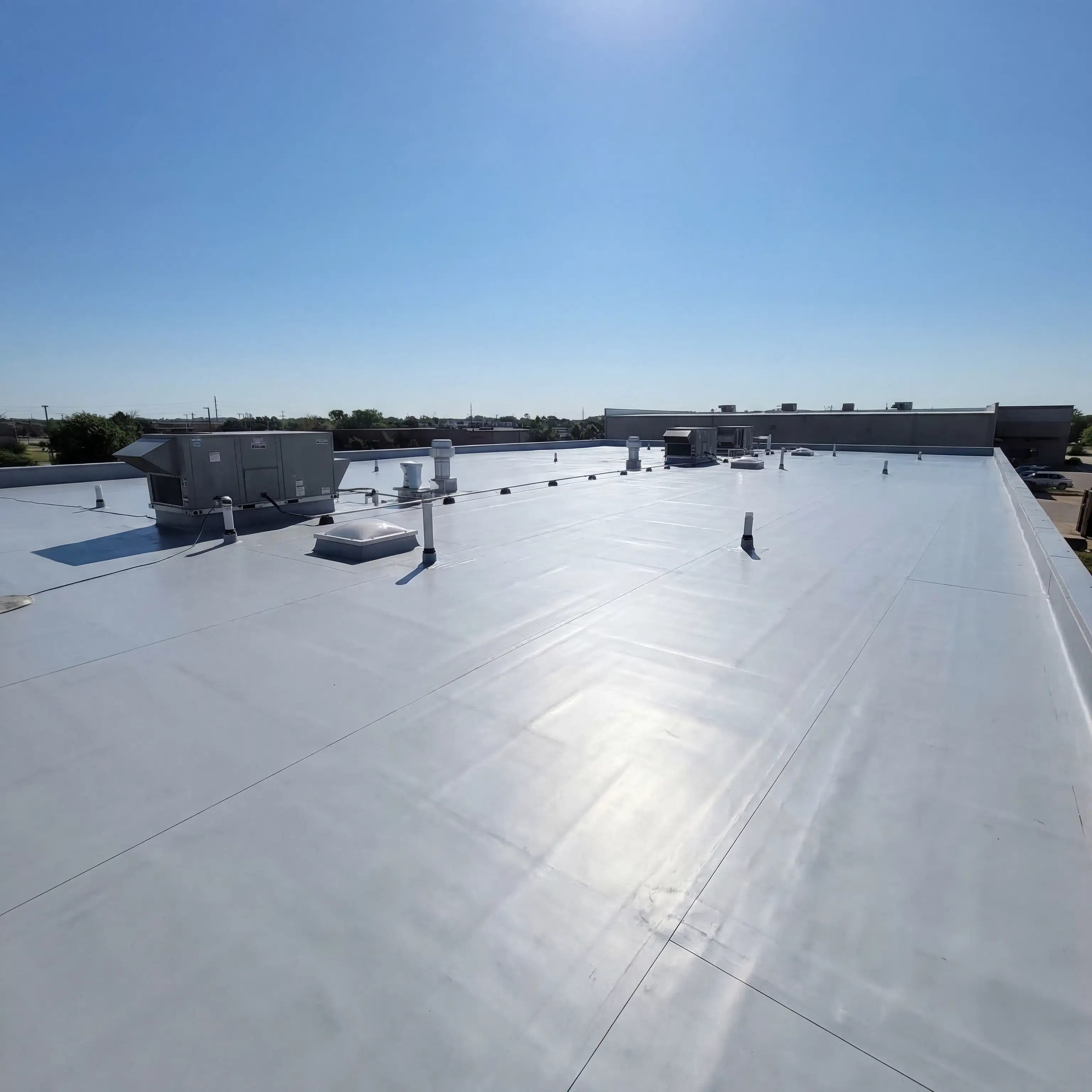
Understanding the causes of standing water on flat roofs is the first step in protecting your investment. Often, the primary culprit is poor drainage design, or simply blocked scuppers and gutters. When autumn leaves or debris from straight-line winds clog your drainage system, water has nowhere to go.
Another hidden danger is structural settling. Over time, the weight of massive HVAC units, heavy winter snow, or general building movement can cause the roof deck to dip. If you notice signs of low slope commercial roof sagging—such as visible bowing from the inside of your warehouse or deep puddles forming in the exact same spots after every rain—it is time for a professional evaluation.
The Consequences of Ponding Water
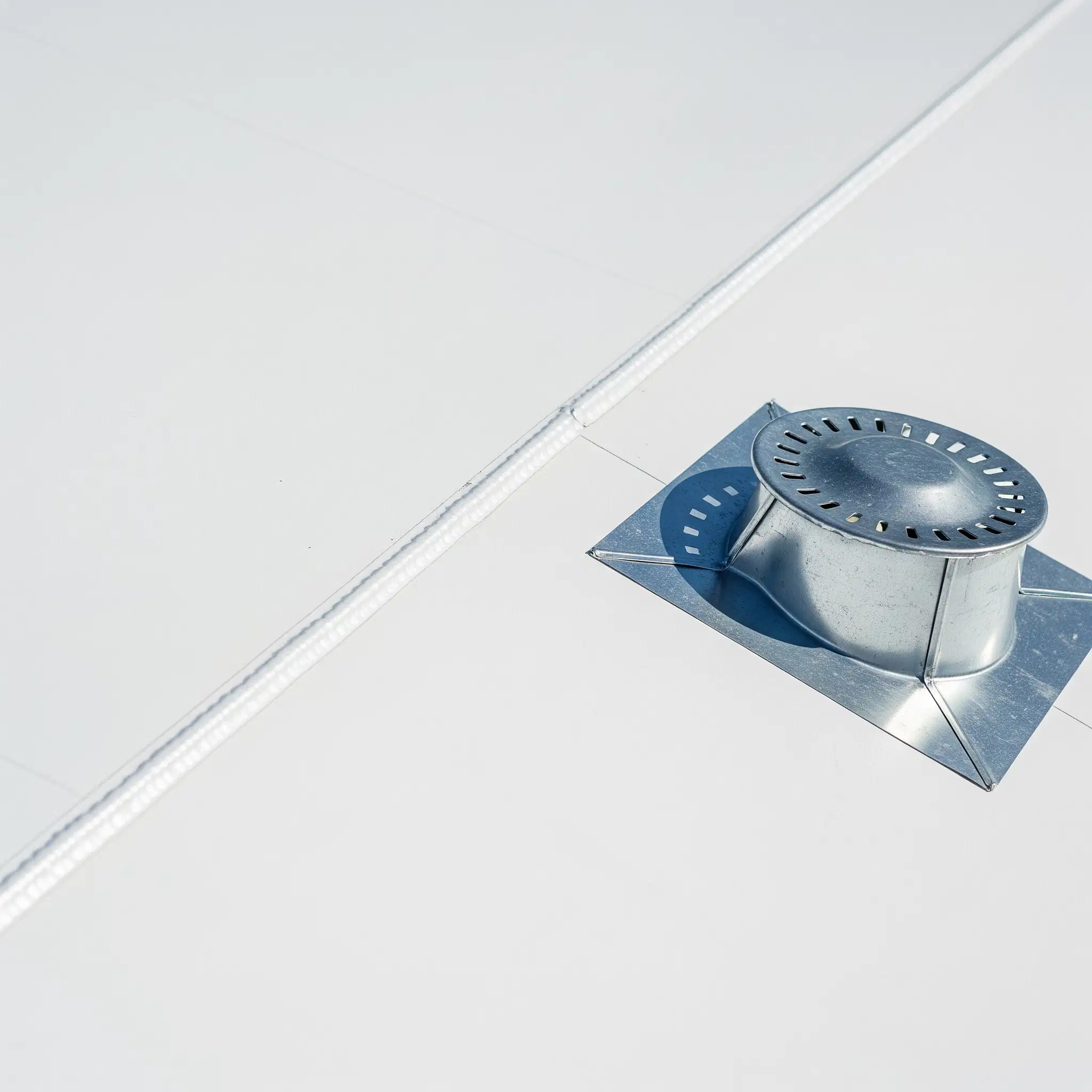
The consequences of ponding water on TPO roofing and other flat systems are severe. Modern TPO is incredibly durable and energy-efficient, helping reflect the harsh SEMO summer heat to lower your facility's cooling costs. However, prolonged exposure to standing water acts like a magnifying glass for the sun and can slowly break down seams and adhesives.
This breakdown eventually leads to moisture infiltrating your insulation and interior workspaces. Furthermore, the severe freeze-thaw cycles during our cold winters turn pooling water into solid, heavy ice, which dramatically worsens structural sagging and accelerates membrane wear and tear.
How to Fix Low Slope Roof Drainage Problems
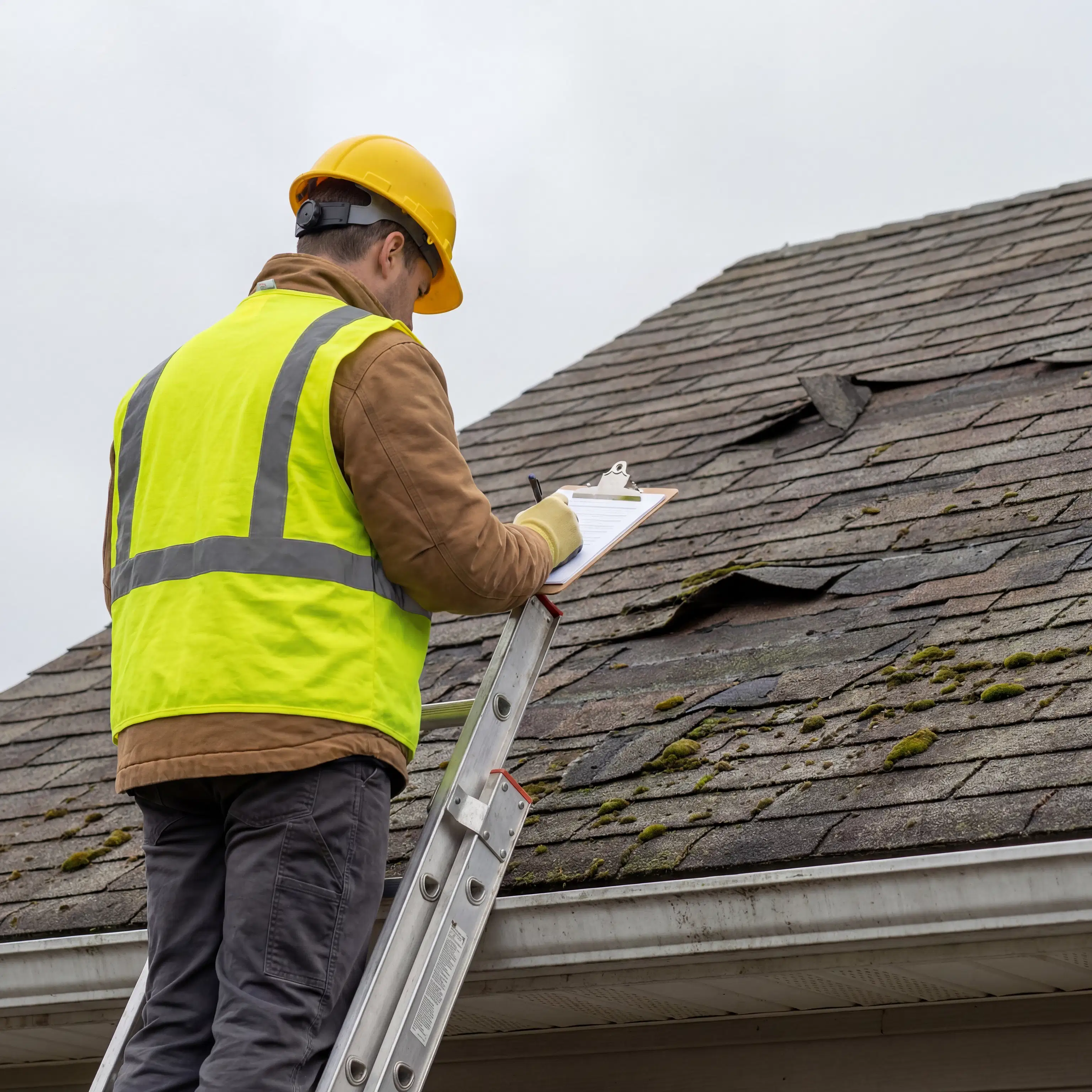
So, how do you fix low slope roof drainage problems? The solution depends on the severity of the issue. Routine commercial roof maintenance is always your first line of defense. Keeping gutters clear and having a professional check your roof before storm season can prevent minor pooling from becoming a major headache.
For more systemic issues, installing tapered insulation can create a positive slope, gently guiding rainwater directly toward your drains. If your current system is severely compromised or simply past its lifespan, upgrading to a properly designed low slope roofing system with enhanced drainage features is the smartest long-term investment you can make for your building.
Reliable Solutions for Your Commercial Property
At Reliable Exteriors, we understand that building owners need transparency, prompt communication, and minimal disruption to their daily operations. When you call us for a leak repair or a general drainage inspection, our process is designed entirely around your peace of mind. We provide exact timeframes for our arrival, utilize modern drone technology for thorough and safe inspections, and deliver detailed reports complete with before-and-after photos of the work.
Don't let standing water threaten your business's inventory or operations. If you are worried about the health of your commercial roof here in Cape, contact us today to schedule a comprehensive evaluation. We will help you find the right, long-lasting solution to keep your property dry, safe, and energy-efficient year-round.